


Benefits of Non-Woven Fabric Across Industries
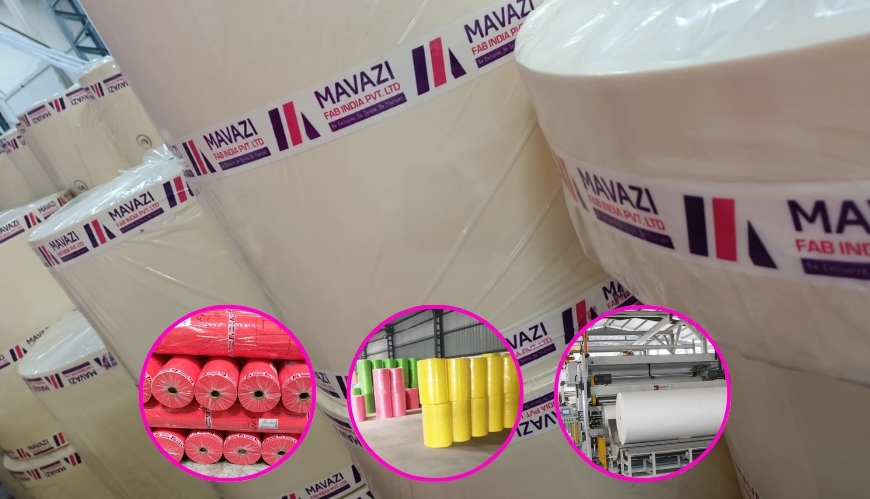
Non-woven fabric is one of the most widely used materials in modern industries. It is commonly found in medical products, hygiene items, agriculture sheets, packaging materials, construction layers, and many industrial applications. Unlike traditional fabric, non-woven fabric is not made by weaving threads together. Instead, fibers are bonded using heat, pressure, or chemical processes.
Because this method is faster and simpler, non-woven fabric is cost-effective and easy to produce in large quantities. This is why non-woven fabric manufacturers supply it to industries where function, hygiene, and performance are more important than appearance.
What Is Non-Woven Fabric?
Non-woven fabric is a flat, sheet-like material made by bonding fibers directly without weaving or knitting. The fibers may be natural or synthetic, but polypropylene is the most commonly used material for industrial non-woven fabrics.
This fabric is designed mainly for practical use. It focuses on strength, breathability, absorbency, and durability. Because of these properties, non-woven fabric is widely used in both disposable and long-term industrial products.
How Non-Woven Fabric Is Different from Woven Fabric
Woven fabric is produced by crossing threads in a fixed pattern, which takes more time and increases production cost. Non-woven fabric avoids this step by directly bonding fibers together.
This difference allows non-woven fabric to be manufactured faster and with greater flexibility. It can be made thin or thick, soft or strong, depending on the intended use. This makes it a preferred choice for industries that require consistent quality at scale.
Key Properties of Non-Woven Fabric
Non-woven fabric has several important properties that make it suitable for industrial and commercial use. It is lightweight, yet strong enough to handle regular use. The fabric can be breathable or protective based on how it is manufactured. It can also be designed to absorb liquids or block particles.
These properties depend on the type of fiber used, the bonding process, and the fabric weight. This allows manufacturers to produce non-woven fabric for a wide range of applications.
Benefits of Non-Woven Fabric
Cost-Effective and Efficient Production
One of the main benefits of non-woven fabric is its low production cost. The manufacturing process requires less time, energy, and equipment compared to woven fabric. This makes it an economical option for industries that rely on large-volume production.
Lightweight Yet Durable Material
Non-woven fabric is easy to handle and transport due to its light weight. Despite this, it provides good strength and durability. It does not tear easily during normal use and performs well in both disposable and reusable products.
Breathable and Comfortable
Non-woven fabric allows air to pass through while still offering protection. This makes it comfortable for products that are worn or used for long periods, such as medical masks and protective clothing.
High Absorbency for Hygiene Use
Certain non-woven fabrics are designed to absorb liquids quickly. This makes them suitable for hygiene and medical products where moisture control is important. The fabric helps maintain cleanliness and comfort.
Soft and Safe for Skin Contact
Non-woven fabric can be made soft and smooth. It is gentle on the skin and does not cause irritation. Because of this, it is widely used in personal care products and medical items.
Easy to Cut and Shape
Unlike woven fabric, non-woven fabric does not unravel when cut. It can be shaped and layered easily without losing strength. This makes it useful in packaging, furniture backing, automotive interiors, and construction materials.
Good Shape Retention
Non-woven fabric holds its shape well over time. It does not stretch or shrink easily, which helps maintain product quality. This property is important in industrial and construction applications.
Can Be Made for Special Requirements
Non-woven fabric can be treated to meet specific needs. Depending on the process, it can be made water-resistant, fire-resistant, UV-protected, or antibacterial. These added features increase its usefulness across industries.
Industry Applications of Non-Woven Fabric
- Medical and Healthcare: Used in face masks, surgical gowns, bed covers, shoe covers, and disposable caps to maintain hygiene and reduce infection risk.
- Hygiene and Personal Care: Commonly used in diapers, sanitary pads, baby wipes, and adult care products due to its softness and absorbency.
- Agriculture: Used as crop covers, seed protection sheets, and soil covers to control weeds, protect plants, and manage moisture.
- Packaging and Industrial Use: Helps protect goods during storage and transportation and is also used in filtration and insulation applications.
- Construction and Automotive: Used in roofing layers, insulation materials, soundproofing, and vehicle interiors because of its strength and stability.
Non-Woven Fabric vs Woven Fabric
| Feature | Non-Woven Fabric | Woven Fabric |
|---|---|---|
| Manufacturing Process | Fibers are bonded directly | Threads are woven together |
| Production Speed | Fast | Slow |
| Cost | Lower | Higher |
| Customization | Easy | Limited |
| Disposable Products | Highly suitable | Not suitable |
| Industrial Applications | Widely used | Limited use |
Factors That Affect the Quality of Non-Woven Fabric
The quality of non-woven fabric depends on several important factors. These factors decide how strong, durable, and effective the fabric will be in real use.
- Raw Material Quality: Better raw materials result in stronger and more reliable fabric performance.
- Manufacturing Process: The bonding method used affects strength, softness, and durability.
- Fabric Weight (GSM): Higher GSM generally provides better strength and thickness.
- Bonding Strength: Proper bonding helps the fabric hold together during use.
- Quality Control: Regular testing ensures consistent performance and uniform structure.
When these factors are controlled properly, the non-woven fabric performs better across different applications and lasts longer.
Importance of Choosing Reliable Non-Woven Fabric Manufacturers
The quality and performance of non-woven fabric depend greatly on the manufacturer. Trusted non-woven fabric manufacturers ensure consistent material quality, correct fabric weight, and proper bonding strength by following a well-defined non-woven fabric manufacturing process.. Working with the right manufacturer helps industries maintain product quality and long-term reliability.
Working with the right manufacturer helps industries maintain product quality and long-term reliability.
Conclusion
Non-woven fabric is widely used because it offers a strong balance of cost, performance, and flexibility. Its ability to meet different industrial needs makes it an essential material across many sectors.
By choosing reliable non-woven fabric manufacturers, businesses can ensure consistent quality and dependable supply for long-term success.
Frequently Asked Questions
What are the main benefits of non-woven fabric?
Non-woven fabric is affordable, lightweight, durable, breathable, and suitable for many industries.
Why is non-woven fabric widely used in medical products?
Because it is hygienic, breathable, and easy to dispose of after use.
Is non-woven fabric safe for skin contact?
Yes, it can be made soft and gentle for direct skin use.
Is non-woven fabric environmentally friendly?
Some types are recyclable and require less water and energy during production.
Which industries use non-woven fabric the most?
Medical, hygiene, agriculture, packaging, construction, and automotive industries.
.png)

Mavazi Fab India