

Choosing the Right Fabric: Non-Woven vs. Woven Fabric
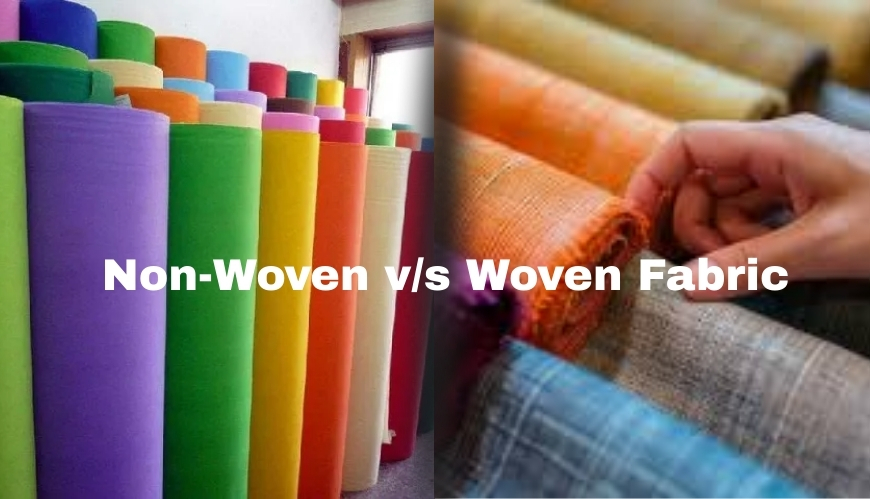
When it comes to choosing the right fabric for your project, the decision is not always simple. Different fabrics serve different purposes, and understanding the differences between non-woven and woven fabrics can save you time, money, and effort. Whether you are looking for lightweight fabrics for disposable products, durable materials for industrial use, or something in between, knowing your options is important.
As one of the trusted Non-Woven Fabric Manufacturers, Mavazi Fab India Pvt. Ltd. helps businesses across industries choose the right fabric. In this blog, we will cover the types, properties, applications, and benefits of both non-woven and woven fabrics, along with tips on selecting the perfect material for your needs.
What Are Non-Woven Fabrics?
Non-woven fabrics are created by bonding fibers together without weaving or knitting. Unlike traditional fabrics, they are made using mechanical, thermal, or chemical processes to hold fibers in place. This makes non-woven fabrics lightweight, flexible, and versatile, suitable for many industries.
Some of the key benefits of non-woven fabrics include:
- Lightweight and easy to handle
- Breathable for medical and hygiene products
- Cost-effective for disposable applications
- Can be produced in bulk easily
Non-woven fabrics are widely used in healthcare, hygiene, packaging, agriculture, and industrial applications.
Types of Non-Woven Fabrics
Understanding the types of non-woven fabrics helps you choose the right one for your project:
Spunbond Fabric
Made from continuous fibers bonded together.
Strong, durable, and commonly used for medical masks, surgical gowns, and reusable bags.
Meltblown Fabric
Made from very fine fibers blown onto a surface.
Soft, absorbent, and excellent for filtration, medical use, and hygiene products.
Airlaid Fabric
Made by suspending fibers in air and depositing them on a surface.
Bulky, soft, and ideal for disposable hygiene products like diapers and wipes.
By choosing the right type, you can optimize your cost, durability, and functionality for each application.
What Are Woven Fabrics?
Woven fabrics are made by interlacing two sets of yarns perpendicularly, creating a strong and durable material. Unlike non-woven fabrics, woven fabrics are suitable for applications where strength, flexibility, and longevity are important.
Common types of woven fabrics include:
Plain weave – simple over-under pattern, used in clothing and home textiles
Twill weave – diagonal pattern, durable for industrial fabrics and workwear
Satin weave – smooth and shiny, often used in luxury clothing and furnishings
Woven fabrics are strong, durable, and versatile, but they are heavier and more expensive than non-woven fabrics, making them better suited for long-term use.
Applications of Non-Woven and Woven Fabrics
Non-Woven Fabrics:
- Medical: Surgical gowns, masks, and bandages – spunbond or meltblown fabrics are preferred.
- Hygiene: Diapers, wipes, sanitary pads, and face masks.
- Industrial: Filtration, packaging, insulation, and geotextiles.
- Consumer Products: Bags, disposable clothing, and home textiles.
Woven Fabrics:
- Clothing: Shirts, pants, dresses, and suits.
- Home Textiles: Curtains, bedding, and upholstery.
- Industrial: Canvas, tarpaulins, and conveyor belts.
- Automotive: Seat covers, airbags, and headliners.
This comparison shows that non-woven fabrics are ideal for lightweight, disposable, and specialized uses, while woven fabrics are suited for durable, long-lasting, and heavy-duty applications.
Non-Woven vs Woven Fabrics: Key Differences
| Feature | Non-Woven Fabrics | Woven Fabrics |
|---|---|---|
| Production | Bonded fibers | Interlaced yarns |
| Weight | Lightweight | Heavier |
| Durability | Moderate | High |
| Cost | Low | Higher |
| Reusability | Often disposable | Long-lasting |
| Applications | Medical, hygiene, packaging, industrial | Clothing, furniture, industrial, automotive |
How to Choose the Right Fabric?
Choosing the right fabric is about matching the material to your project requirements. Here are a few things to consider:
- Application – Are you using the fabric for medical products, hygiene, packaging, or industrial use?
- Durability – Do you need a long-lasting woven fabric, or a disposable non-woven fabric?
- Budget – Non-woven fabrics are generally more cost-effective, while woven fabrics may have a higher upfront cost but last longer.
- Bulk Supply – Can your supplier provide large quantities on time? Choosing Non-Woven Fabric Manufacturers who can supply in bulk is critical.
- Customization – For specialized applications, such as custom non-woven fabric manufacturers, look for flexibility in weight, thickness, and material properties.
Why Choose Us as Your Non-Woven Fabric Manufacturer?
As a leading Non-Woven Fabric Manufacturer, we are proud to serve clients across India and globally. Our services include:
- Non-Woven Fabric Manufacturers in Delhi – catering to local and national businesses
- Non-Woven Fabric Manufacturers in India – supplying high-quality fabrics nationwide
- Non-Woven Fabric Supplier – providing bulk orders with timely delivery
- Non-Woven Fabric Wholesaler – competitive pricing for large orders
- Industrial Non-Woven Fabric – customized for industrial applications
- Custom non-woven fabric manufacturers – tailored solutions for unique needs
We ensure every product meets quality standards, with durable, eco-friendly, and functional materials. Businesses trust us for bulk supply, reliability, and technical support.
Conclusion
Choosing the right fabric is essential for the success of any project. Whether you need lightweight, disposable non-woven fabrics for medical, hygiene, or industrial applications, or durable woven fabrics for clothing, home textiles, or heavy-duty use, understanding the differences helps you make the best decision.
As trusted Non-Woven Fabric Manufacturers, Mavazi Fab India Pvt. Ltd. provides high-quality, customizable, and bulk solutions to meet every requirement. By partnering with us, businesses can ensure reliable supply, superior quality, and fabrics suited to their specific needs.
For all your fabric requirements, from industrial non-woven fabrics to consumer products, Mavazi Fab India Pvt. Ltd. is your go-to source for expertise, quality, and dependable service.
Contact Us
For more information on non-woven and woven fabrics or to place an order, please contact Mavazi Fab India Pvt. Ltd. at: mavazifabindia2020@gmail.com or WhatsApp at 91 9102007786
FAQs
- Q1: What is the difference between woven and non-woven fabric?
Woven fabric is made by weaving threads together, so it is strong and long-lasting. Non-woven fabric is made by bonding fibers, so it is light, soft, and usually disposable. - Q2: What are non-woven fabrics used for?
Non-woven fabrics are used in face masks, medical gowns, shopping bags, diapers, filters, and agriculture covers because they are light, clean, and low-cost. - Q3: Which is better: woven or non-woven fabric?
Both are good for different uses. Woven fabric is better for strength and reuse. Non-woven fabric is better for medical, hygiene, and disposable products. - Q4: Is non-woven fabric safe for medical use?
Yes. Medical-grade non-woven fabric is safe. It allows air to pass, blocks germs, and is widely used in masks, gloves, and hospital gowns. - Q5: Is non-woven fabric reusable or washable?
Most non-woven fabrics are not washable. They are made for single or limited use, especially in medical and hygiene products.
.png)

Mavazi Fab India