


How to Choose the Best Non Woven Fabric Manufacturers in India
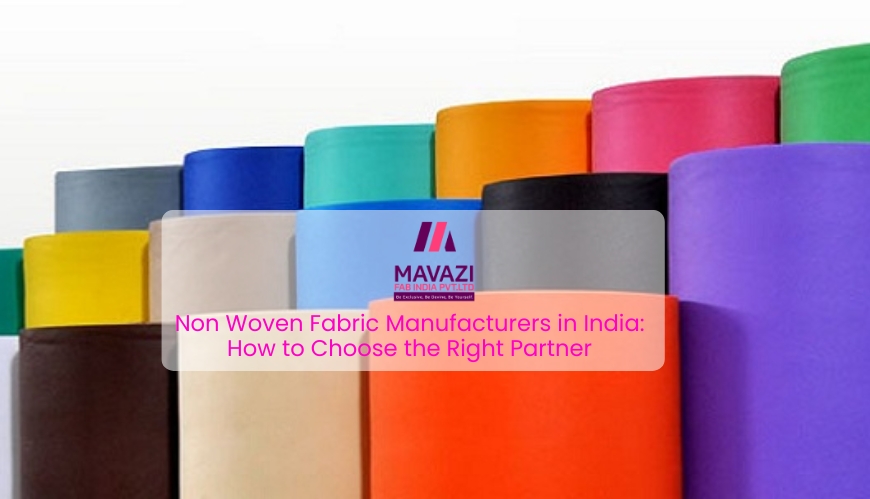
Nonwoven textiles are essential to many industries, including construction, agriculture, packaging, filtration, automotive, and medical and hygiene. As applications expand, the performance requirements for non woven materials have become more specific and demanding. In this context, choosing the right non woven fabric manufacturers is not just a sourcing decision, it directly affects product quality, compliance, supply reliability, and overall cost efficiency.
A reliable manufacturer understands fiber behavior, bonding technologies, finishing processes, and regulatory expectations. More importantly, they can consistently translate technical specifications into scalable, repeatable production. Whether your priority is performance consistency, customization, sustainability, or delivery timelines, selecting the right manufacturing partner is essential for long-term success.
Understanding Your Non Woven Fabric Requirements
Before evaluating manufacturers, buyers should clearly define their own requirements. This ensures meaningful comparisons and reduces risks during production scale-up.
Key considerations include:
- End-use performance needs: softness, strength, filtration efficiency, barrier properties, absorbency, or durability
- Material composition: polypropylene (PP), polyester (PET), viscose, PLA, or blended fibers
- Technical specifications: GSM (grams per square meter), thickness, tensile strength, elongation, porosity, and uniformity
- Finishing requirements: lamination, coating, embossing, perforation, antistatic or hydrophilic treatments
- Regulatory and quality expectations: ISO standards, ASTM or EN compliance, medical or food-contact suitability where applicable
- Supply considerations: minimum order quantities, scalability during peak demand, lead times, and ongoing technical support
A manufacturer that aligns well with these parameters is more likely to deliver consistent results over time.
Types of Non Woven Fabrics Offered by Manufacturers in India
India’s non woven fabric manufacturing sector supports a wide range of technologies and applications. Leading manufacturers typically offer multiple fabric types to meet diverse industry needs.
Common non woven fabric categories include:
- Spunbond (SB): Lightweight, strong, and widely used in hygiene products, packaging, and geotextiles
- Meltblown (MB): Ultra-fine fibers with excellent filtration properties, commonly used in masks and air filtration
- SMS / SMMS composites: Layered structures combining strength and filtration, popular in medical and hygiene applications
- Spunlace (hydroentangled): Soft, textile-like fabrics suitable for wipes and personal care products
- Needle-punched and air-laid fabrics: Bulkier materials used in insulation, cushioning, automotive, and construction
- Bio-based and compostable non wovens: PLA and other sustainable options for eco-focused applications
- Laminated or coated fabrics: Enhanced barrier performance using PE, PET, or functional coatings
Manufacturers with broader technical capability are better positioned to support evolving product requirements.
Key Factors to Consider When Choosing Non Woven Fabric Manufacturers in India
What should buyers look for in non woven fabric manufacturers in India?
Technical expertise and production capability
Manufacturers should be able to meet specific GSM ranges, thickness tolerances, and performance criteria while maintaining consistency at scale.
Quality assurance and testing
Reliable manufacturers operate in-house laboratories or partner with accredited third-party labs to test physical, chemical, and microbiological properties. Batch traceability and documented quality checks are critical.
Certifications and compliance
Look for ISO 9001 (quality management), ISO 14001 (environmental management), and ISO 45001 (occupational safety), along with any application-specific standards such as CE or FDA where required.
Customization and flexibility
The ability to tailor fiber composition, finishes, embossing patterns, and laminations allows manufacturers to support application-specific needs rather than offering generic materials.
Lead times and delivery reliability
Consistent production schedules, realistic lead times, and strong logistics coordination are essential for uninterrupted supply chains.
Sustainability practices
Responsible waste management, energy efficiency, recycled content usage, and development of biodegradable materials increasingly influence sourcing decisions.
Manufacturer vs Trader: Why Choosing a Direct Manufacturer Matters?
Working directly with a manufacturer provides greater control and transparency throughout the sourcing process. Manufacturers oversee the entire production cycle, enabling tighter quality control, better traceability, and faster adjustments when specifications change.
Direct manufacturers can offer:
- Custom material development
- More predictable lead times
- Clearer pricing structures
- Stronger compliance documentation
- Long-term collaboration for product innovation
For buyers seeking consistency and scalability, direct manufacturer relationships are typically more reliable than intermediary-based sourcing.
Why Location Matters When Selecting a Non Woven Fabric Manufacturer?
Geographic location influences logistics efficiency, communication, and cost. Manufacturers located closer to your distribution or conversion facilities can reduce transit times and freight expenses.
India has established non woven fabric manufacturing hubs in regions such as Delhi NCR, Gujarat, Maharashtra, and Tamil Nadu, supported by strong industrial infrastructure and logistics networks. Manufacturers in these regions benefit from skilled labor availability, raw material access, and efficient domestic and export connectivity.
Why Indian Non Woven Fabric Manufacturers Are Preferred Globally?
Indian non woven fabric manufacturers have gained global recognition due to a balanced combination of cost efficiency and technical capability. Continuous investment in machinery, quality systems, and R&D has strengthened India’s position as a strategic sourcing destination.
Key advantages include:
- Competitive cost-to-performance ratios
- Diverse material and technology offerings
- Growing adherence to international quality standards
- Increasing focus on customized and application-specific solutions
- Strong export infrastructure and trade connectivity
These factors make India an attractive sourcing hub for both regional and international buyers.
How to Identify Reliable Non Woven Fabric Manufacturers in India?
To minimize risk, buyers should apply a structured evaluation process:
- Verify certifications and compliance documentation
- Request detailed product data sheets and test reports
- Review quality control processes and traceability systems
- Assess production capacity, scalability, and contingency planning
- Seek customer references within similar industries
- Conduct facility audits when possible to evaluate equipment, safety, and process control
- Evaluate after-sales support and technical collaboration capabilities
A reliable manufacturer demonstrates consistency, transparency, and a long-term partnership mindset.
Conclusion
Choosing the right non woven fabric manufacturers in India requires a balance of technical evaluation, quality assurance, and strategic alignment. By clearly defining requirements, understanding fabric technologies, and carefully assessing manufacturing capabilities, buyers can reduce sourcing risks and improve product outcomes.
Indian manufacturers offer a strong combination of production capacity, customization potential, and global credibility. Prioritizing expertise, compliance, and reliability helps establish durable partnerships that support growth, innovation, and consistent supply in competitive markets.
.png)

Mavazi Fab India