


Non Woven Fabric Manufacturers – Spunbond, SMS & Meltblown
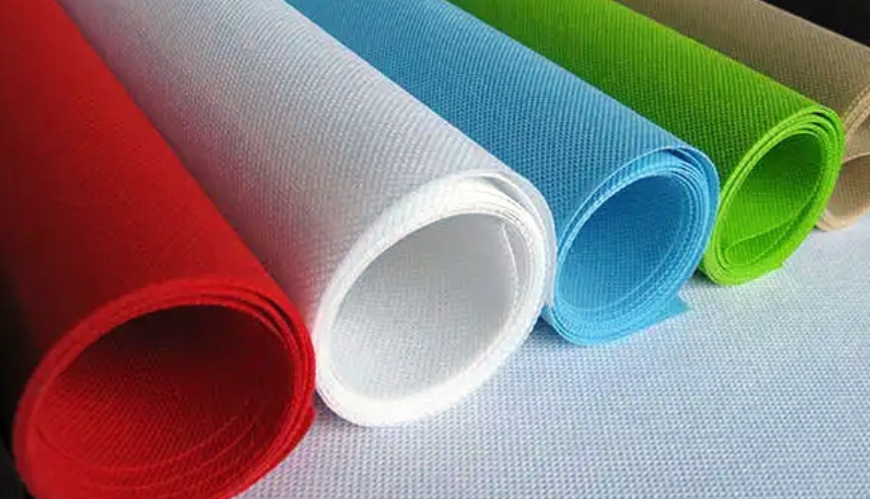
Non woven fabric is a key material used in many industries today. From medical products to agriculture, packaging, hygiene, and home applications, this fabric plays a vital role because it is strong, lightweight, and affordable. If you are a business owner, wholesaler, distributor, or bulk buyer searching for top non woven fabric suppliers in India, you have come to the right place.
Choosing the right supplier is important for quality, consistent supply, on-time delivery, and long-term business growth. At Mavazi Fab India, we understand your needs and offer reliable, high-quality non woven fabric solutions to help your business succeed.
Spunbond vs SMS vs Meltblown – Choosing the Right Non Woven Fabric Manufacturer
When people search for non woven fabric manufacturers, they usually want clear answers. They want to know which type of non woven fabric is right for their product and which manufacturer can supply it with the correct quality. Many buyers feel confused because there are different fabric types like spunbond, meltblown, and SMS, and each one serves a different purpose.
This content is written to remove that confusion. It explains non woven fabric types in simple words and helps buyers choose the right non woven fabric manufacturer based on real use, not marketing claims.
What Is Non Woven Fabric?
Non woven fabric is a type of fabric that is not made by weaving or knitting threads. Instead, plastic raw material, mainly polypropylene (PP), is melted and turned into fibers. These fibers are then spread evenly and bonded together using heat or air to form a fabric sheet.
Because this method is fast and efficient, non woven fabrics are affordable, lightweight, and available in different thickness levels called GSM. This is why non woven fabric manufacturers can supply fabric for many industries like medical, agriculture, hygiene, packaging, and industrial use.
How Non Woven Fabric Is Made
The non woven fabric manufacturing process follows a clear flow. First, the raw material is melted. Then fibers are created and laid on a moving belt. Finally, these fibers are bonded together to make fabric.
The bonding and fiber process decides whether the fabric becomes spunbond, meltblown, or SMS. Each type needs different machines and technical control. This is why most non woven fabric manufacturers focus on one or two fabric types instead of producing everything.
Spunbond Non Woven Fabric Manufacturers
Spunbond is the most commonly used non woven fabric. It is made using long fibers that are bonded with heat. This gives the fabric good strength, breathability, and durability. Spunbond fabric is also cost-effective, which makes it suitable for bulk production.
Spunbond non woven fabric is widely used in:
- Carry bags and shopping bags
- Agriculture crop covers and plant protection
- Packaging materials
- Mattress and furniture covers
- Hygiene product outer layers
Manufacturers that produce spunbond fabric usually focus on large volume supply, consistent GSM, and stable quality. This makes spunbond fabric ideal for businesses that need strength at a reasonable price.
Meltblown Non Woven Fabric Manufacturers
Meltblown fabric is made using very fine fibers created by hot air. These fibers form a dense structure that can block very small particles. Because of this, meltblown fabric has excellent filtration properties but lower strength compared to spunbond.
Meltblown fabric is mainly used in:
- Face mask filter layers
- Medical protection products
- Air and liquid filtration
Meltblown fabric can block up to 95 percent or more micro particles, which is why it is critical for safety and hygiene products. Meltblown non woven fabric manufacturers usually serve medical and filtration industries and follow controlled production standards.
SMS Non Woven Fabric Manufacturers
SMS fabric is a combination of spunbond and meltblown layers. It has spunbond layers on the top and bottom for strength, and a meltblown layer in the middle for filtration. This structure gives SMS fabric both protection and durability.
SMS non woven fabric is commonly used in:
- Surgical gowns
- Medical drapes
- PPE kits
- Hospital disposable products
Because these products are used in healthcare, SMS non woven fabric manufacturers maintain strict quality, hygiene, and safety controls.
Key Differences Between Spunbond, Meltblown, and SMS
Understanding the differences helps buyers choose the correct fabric and manufacturer.
- Spunbond offers strength, breathability, and low cost
- Meltblown provides high filtration but low strength
- SMS combines strength and filtration for medical use
Each fabric type serves a different purpose, and using the wrong one can increase cost or reduce product performance.
How to Choose the Right Non Woven Fabric Manufacturer?
Choosing the right manufacturer is as important as choosing the fabric type. Buyers should look at the manufacturer’s specialization and real production capability.
Before finalizing, focus on:
- Fabric type expertise
- GSM range and consistency
- Production capacity and delivery reliability
- Quality control process and experience
For medical products, safety and filtration quality matter most. For agriculture and packaging, strength, price stability, and supply consistency are more important. Companies like Mavazi Fab India focus on matching the correct fabric with the real application instead of pushing unsuitable options.
Common Buyer Mistakes
Many buyers face quality issues because they select the wrong fabric or the wrong manufacturer. Some use meltblown fabric when spunbond is enough. Others choose SMS fabric even when medical protection is not required. Many buyers also ignore GSM and focus only on price, which leads to weak or inconsistent products.
The largest non woven fabric manufacturers in India help buyers avoid these mistakes by offering correct guidance instead of selling blindly.
Why the Manufacturer Matters More Than the Fabric Name
Two manufacturers may produce the same fabric type, but the final quality can be very different. Fiber bonding, thickness control, and GSM stability depend on the manufacturing process and quality checks.
This is why buyers should always evaluate the manufacturer’s experience and production standards. Trusted suppliers like Mavazi Fab India understand that long-term business depends on transparency, consistency, and correct guidance.
Non Woven Fabric Manufacturing in India
India is becoming a strong hub for non woven fabric manufacturing. Indian non woven fabric manufacturers supply spunbond, meltblown, and SMS fabrics to both domestic and international markets. Growing demand from healthcare, agriculture, hygiene, and packaging industries continues to drive steady growth.
Manufacturers such as Mavazi Fab India contribute to this growth by offering application-based solutions and consistent supply.
Final Conclusion
Spunbond, meltblown, and SMS non woven fabrics are designed for different uses, and each one requires a specific type of non woven fabric manufacturer. Choosing the right manufacturer ensures better product quality, cost control, and long-term business success.
This content is written to help users clearly understand fabric types and confidently choose the right non woven fabric manufacturers in Delhi based on real needs, not confusion.
Frequently Asked Questions (FAQs)
Who are the best non woven fabric manufacturers in India?
The best manufacturers provide consistent quality, correct GSM, and specialize in spunbond, meltblown, or SMS fabrics for your product needs.
What is the difference between spunbond, meltblown, and SMS non woven fabric?
Spunbond is strong and breathable, meltblown filters very small particles, and SMS combines both strength and filtration for medical use.
Which non woven fabric is best for medical and mask use?
Meltblown is ideal for mask filter layers, while SMS is preferred for surgical gowns, PPE kits, and hospital disposables.
How do I choose the right non woven fabric manufacturer?
Look at their fabric specialization, GSM consistency, production capacity, and industry experience before making a decision.
What GSM is commonly used in non woven fabric products?
Lower GSM is used for bags and hygiene layers, while higher GSM is required for medical, agriculture, and industrial products.
.png)

Mavazi Fab India